


Cutting Edges and End Bits
Why Choose Us
Extensive Experience
Our team consists of highly skilled professionals who possess a deep understanding of the industry's intricacies. With over 15 years of experience in the industry, we specialize in supplying a wide range of parts, including bucket, teeth and adapter, cutting edges and other customized mechanical components.
High-Quality Products
We work with many leading manufacturers in China, and we use the good materials and manufacturing processes to ensure that our products meet the high quality standards. We also have a strict quality control system that ensures that every product we supply meets our customers requirements.
Varied Product Range
Our products are widely used in a variety of fields, such as construction machinery, agricultural machinery, mining machinery, and industrial machinery. Our mainly products are bucket, bucket teeth, adapter, ripper shanks, cutting edges, end bits, undercarriage parts, bolt and nut, pin and retainers and customized casting parts and sheet metal parts.
Excellent Customer Service
Our company has a team of well-trained and experienced staff who are ready to assist you with any inquiries you may have in English. We value our customers feedback and strive to provide VIP treatment to those who give us excellent evaluations. This includes benefits such as shorter delivery times, special additional discounts, annual visits, and high-quality product pictures.
Definition of Cutting Edges
Cutting edges are the parts of a loader that come in contact with the ground during operation. They are usually made of hardened steel and attached to the loader bucket in order to provide a sharp edge for cutting into the ground or other materials. These cutting edges come in a variety of shapes and sizes depending on the specific application and can be replaced when they become worn or damaged. They are critical components in the operation of loaders and help to ensure efficient and effective work.
-
 4T6381 for Komatsu Dozer Blade Cutting EdgePart No.: 4T6381. Type: Komatsu cutting edge,blade cutting edge,OEM or Customized. Application: CATAdd to Inquiry
 -
 7I3015 Loader Bucket Blades Cutting EdgePart No.: 7I3015. Type: Loader bucket blades, loader blades. High level performance. Strict qualityAdd to Inquiry
 -
 195-70-12492 for Komatsu D155 Dozer BladesPart No.: 195-70-12492. Type: Komatsu cutting edge, Komatsu blade DBF Cutting Edge. Application:Add to Inquiry
 -
 5D9553 for Cat 72 Grader Cutting EdgeName: Grader cutting edge,5d9553 cutting edge. Part No.: 5D9553. Unit weight: 29kgs. Dimension:Add to Inquiry
 -
 8E4193 8E4194 for Caterpillar Cutting Edge End BitName: Dozer end bits, end bit. Part No.: 8E4193. Type: Dozer end bits, end bit, Hot cupped end bitAdd to Inquiry
 -
 1987131540 198-71-31540 Blade Komatsu Dozer D475ADescription: Cutting EdgeOEM Parts No. 198-71-31540Model: D475Material: Carbon steel boronAdd to Inquiry
 -
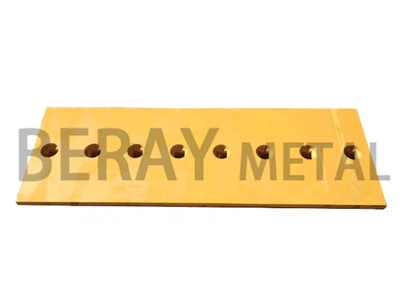 1987131550 198-71-31550 Edge Cutting Komatsu PartsDescription: End BitsOEM Parts No. 198-71-31550Model: D475Material: Carbon steel boron steelWeight:Add to Inquiry
 -
 1957161930/1957161940 End Bits Bulldozer Komatsu D375Description: End BitsOEM Parts No. 195-71-61930/195-71-61940Model: D375Material: Carbon steel boronAdd to Inquiry
 -
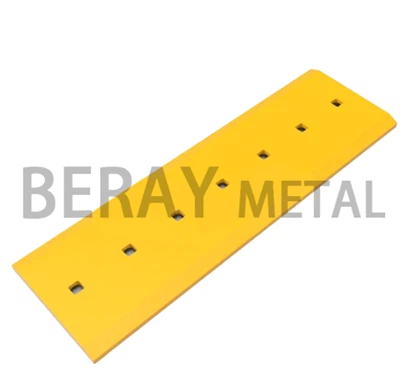 1957161550 195-71-61550 Blades Cutting Edge Komatsu D375Description: Cutting EdgeOEM Parts No. 195-71-61550Model: D375Material: Carbon steel boronAdd to Inquiry
 -
 1957111173/1957111183 End Bit LH RH Komatsu Casting PartsDescription: End BitOEM Parts No. 1957111173/1957111183Model: D375Material: Carbon steel boronAdd to Inquiry
 -
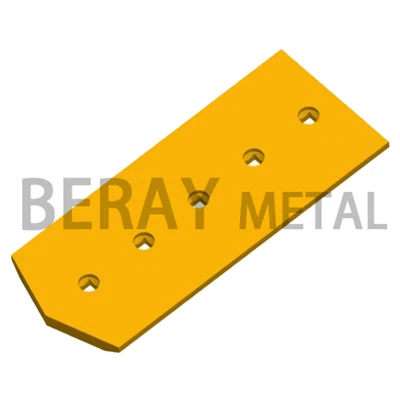 1987211181 198-72-11181 Cutting Edge Aftermarket Parts Ko...Description: Cutting EdgeOEM Parts No. 198-72-11181Model: D375, D455, D475Material: Carbon steelAdd to Inquiry
 -
 17M7121930/17M7121940 End Bit LH/RH Blade KomatsuDescription: End BitsOEM Parts No. 17M7121930/17M-71-21940Model: D275Material: Carbon steel boronAdd to Inquiry
-
 Coffee Stainless Knock Box Custom Black
 -
 Coffee Milk Jug Rinsering Pitcher Rinsers
 -
 Wheel Chock And Holder Suitable Truck
 -
 Heavy Truck Jack Stand Compact Heavy Duty
 -
 Adjustable Wheel Locker Heavy Duty Truck
 -
 Distribution Box Steel Metal Box Chassis Cabinet
 -
 Drip Trays Customize Drip Pans Spill Tray
 -
 Metal Aluminum Base Plate And U Head Scaffolding
 -
 Fire Extinguisher Cabinets/Box Customize Sheet Metal
 -
 Stainless Steel Guardrail Brackets Handrail Bracket
- ATTN: Fiona (Sales Manager)
- Email: sales01@beray-metal.com
- Add: 9-89-11, Building 017, No.128 Huizhan Road, Yinzhou District, Ningbo City, Zhejiang Province
Less Wear to the Integral Bucket Welds
The purpose of fitting a bolt-on cutting edge to your excavator bucket is to protect your bucket edge from wearing down over time. It's inevitable that your bucket edge will wear down due to the friction created during digging and grading jobs, so the best way to protect this is by fitting an additional layer of steel as a protective surface. Not only does it protect the bucket edge from wearing but a bolt-on cutting edge also protects the integral bucket welds from becoming damaged. As the bucket edge starts to wear away, the welds that connect the side plates and bucket shell become exposed to the abrasive environments. If not protected, the welds can snap, buckle or crack, causing your bucket to be deemed unusable.
No Need to Grind out and Reweld
Protective cutting edges were first introduced to the industry to reduce the time taken to repair your bucket when the edge became too worn and distorted to function adequately. This involved cutting out the lip plate and welding a new bucket edge back in. As you can imagine, this isn't a quick job and could have you waiting around for your bucket for a day or two. The bolt-on cutting edge was designed to protect the bucket edge so these correction projects weren't necessary. A bolt-on cutting edge attaches to the underside of your bucket edge with plow bolts / plough bolts, through the bucket edge and cutting edge. Depending on the size of your bucket, this can be a quick and simple job, taking under an hour to fit before you're back up and running.
Double the Life of Your Bucket Edge
Most cutting edges supplied by bucket manufacturers will be double-edged to maximize your time and money. When one side of your blade is worn back to the bucket edge, you can simply undo the bolts, remove the blade and spin it 180 degrees to refit it. If used without a cutting edge, your bucket would have required a replacement edge to be removed and rewelded twice during this time, setting you back a few days in repair time. As well as taking much longer, removing and repairing the edge of your bucket can be considerably more expensive than simply replacing your bolt-on cutting edge. Sourcing the correct parts to fit your bucket and an experienced welder to carry out the repair can be substantially higher in price. Depending on the extent of the bucket wear, you could end up replacing your entire bucket if the wear is too extensive.
Enhances Quality and Finishes off Your Jobs
Fitting a bolt-on cutting edge ensures that your your bucket edge remains level to create the perfect finish to your profiling and digging jobs. If used without a blade, your bucket edge will warp and distort through wear, leaving you with a much more difficult job for finishing surfaces or digging neat trenches. The cutting edge reinforces your bucket lip plate to maintain a flat, level bucket edge. This is essential for your grading or ditch cleaning bucket where you need to create a smooth finish to the top layer of dirt or when spreading out aggregates like stones.
Extra Bucket Capacity
Although only marginal, fitting a bolt-on cutting edge to your excavator bucket can increase the length and capacity of your bucket. This is especially useful when bulk moving material as you can transport your material quicker. But, it also extends the length of your bucket enabling your excavator to reach further when digging trenches, which is extremely beneficial when working to a tight deadline.
Types of Cutting Edges
Straight-Edge Cutting Edge
This is the most common type of cutting edge, featuring a straight, flat profile. It is suitable for general digging and material handling tasks and is ideal for cutting through softer materials like soil and sand.
Serrated-Edge Cutting Edge
Serrated-edge cutting edges have a toothed or serrated profile. They are excellent for cutting through tough and compacted materials like asphalt, frozen ground, or hard-packed soil. The serrations provide extra cutting power.
Spade Nose Cutting Edge
Spade nose cutting edges have a pointed, spade-like shape that enhances penetration. They are often used for digging in rocky terrain or when precise cutting is required, such as trenching.
Half Arrow Cutting Edge
Half arrow cutting edges have a curved shape resembling half of an arrow. They are suitable for heavy-duty applications and excel in cutting through abrasive materials like rock, coral, and concrete.

High Carbon Steel
This is the most common material used for excavator cutting edges. It is durable and wear-resistant, making it suitable for general excavating tasks.
Boron Steel
This type of steel is even more durable and wear-resistant than high carbon steel. It is often used for digging in rocky areas or high-impact excavating tasks.
Tungsten Carbide
This material is extremely hard and wear-resistant, making it ideal for excavating in abrasive environments like mines or quarries.
Stainless Steel
This material is corrosion-resistant, making it ideal for excavators used in marine environments.
Hardened Steel
This is a heat-treated steel that is extremely tough and wear-resistant. It is often used for heavy-duty excavating tasks like demolition.
Construction
Loader cutting edges are widely used in construction sites for digging, grading, and leveling the ground. These cutting edges are typically attached to the front of a loader or bulldozer and are used to scrape away the top layer of soil or rocks.
Mining
In mining operations, loader cutting edges are indispensable tools for extracting and moving heavy loads of ore, rocks, and other materials. These cutting edges are attached to large loaders and bulldozers and are used to cut through and push the heavy materials.
Agriculture
Loader cutting edges are also used in the agricultural industry for land clearing, soil preparation, and crop management. These cutting edges are typically attached to tractors or skid steers and are used to dig, scrape, and level the ground for planting and harvesting crops.
Landscaping
Loader cutting edges are used in landscaping applications such as excavating and shaping land for building new landscapes. They are also used to remove debris and rocks from the surface of the soil.
Snow Removal
During winter months, loader cutting edges are used to remove large quantities of snow from roads, highways, and parking lots. The cutting edges are attached to a loader or a snowplow, and the sharp blade cuts through the snow, scattering it to the side.


Base Edge
The main component of the cutting edge that is attached to the bucket.
Cutting Edge Segments
These are the individual pieces that make up the cutting edge and are bolted onto the base edge.
Wear Plates
A wear plate is placed over the base edge to protect it against abrasion and extend its life.
End Bits
These are the outermost sections of the cutting edge that connect to the sides of the bucket.
Fasteners
Bolts, nuts, and washers that secure the cutting edge segments and wear plates to the base edge.
Blade Shanks
The parts of the loader bucket that hold the cutting edge in place.
Standard Sizes of Bucket Cutting Edges
Bucket cutting edges come in a variety of sizes to suit different machinery and applications. The most common standard sizes available in the market include.
Width
The width of a bucket cutting edge is a critical factor to consider. It typically ranges from 4 inches to 12 inches or more, depending on the specific equipment and task. The width of the cutting edge should align with the bucket's width to ensure efficient material handling and cutting.
Thickness
The thickness of a bucket cutting edge can vary from 0.5 inches to 2 inches or more. Thicker cutting edges are generally more durable and suitable for heavy-duty applications. However, the choice of thickness also depends on the material being handled and the machine's capacity.
Length
The length of bucket cutting edges can range from a few feet to several feet, depending on the size of the bucket and the machinery it is attached to. Longer cutting edges provide a larger cutting surface area, which can be advantageous for certain tasks, such as grading and leveling.

- In cutting out the old cutting edge, be certain that the area to be welded is clean and free of all slag. On the new cutting edge, be sure that the fit as snug as possible.
- Preheat the cutting edge 300 to 400 degrees. Preheat the area to be welded for to six inches from the weld area.
- Stagger welding; 12" on one end, 12" opposite end, back to the center. Continue staggering as job proceeds to prevent stress.
- All weld should be put in a fillet weld manner. (Fillet weld; overlapping of weld passes in long, straight passes). No weld pass should be wider than 2 1/2 times the diameter of your welding rod. This is to prevent trapping slag. Each pass should be cleaned of slag before proceeding with the next.
- Be certain that the weld area has normal air cooling.
Why You Should Have Bolts on the Cutting Edge of Wide or Sloped Buckets?


No Need to Cut off or Use a Welding Machine
With a bolt on cutting edge, gone are the days of cutting off a fixed cutting edge and welding a new one (half a day's work)! Simply remove the plowshare bolts, turn the bolts on the cutting edge to a new one (or replace it if it's completely worn out) and reinstall the plowshare bolts, and you'll be back on the job within an hour.
Twice the Lifespan Before Replacement Is Required
The bolts on our blades are double sided extra heavy duty steel; this means that when you wear down the sides, if there are no bolts on the cutting edge, you need to cut off the fixed edge and replace it twice (requiring a lot of extra time and resources).
Additional Bucket Capacity
Sloping or wide bucket capacity is increased when the cutting edge bolts are installed because the cutting edge bolts protrude beyond the front of the fixed cutting edge, increasing the length of the bedplate.
Less Wear and Tear on Side Styles and Bucket Bags
With the Bolt on Cutting Edge extending the floor further you don't suffer as much wear on the side style bottom where without the Bolt on Cutting Edge you would start wearing these before replacing the fixed cutting edges - additional engineering is required when replacing the fixed cutting edges Work. Additionally, due to the added thickness of the bolts on the cutting edge, it lifts the entire bottom of the bucket slightly off the ground - meaning the floor of the bucket is less likely to come into contact with the ground when digging or leveling, reducing drag and wear.
Harder Cutting Edge Means No Ribs Required
Using bolts on the cutting edge, the thickness is doubled to give a stronger front of the bucket, which combined with our bucket wrap and wear strips make for a very strong and durable bucket. This means no ribs are required - saving material to clog around.
Cost-Effective Option
This is probably one of the most outstanding benefits provided by the bolt-on bucket edge to a heavy-duty machinery owner. The easy and quick replacement of worn components provided by the bolt-on bucket edge also means always increased productivity.
Hardening of Cutting Edge
Full hardness for toolmaking: Cutting edge hardening plays an important role in toolmaking and especially in sheet metal processing. The process is used to precisely harden those tool details that are subject to particularly high loads in a punch-press or progression tool. To do this, users heat the outermost layer of the cutting edge to a temperature of approx. 800 to 900 degrees Celsius. This can be done manually or automatically. After cooling, the cutting-edge surface layer is hard and wear resistant.
Machine Type and Size
The size of the cutting edges should be compatible with the type and size of the machine. Different excavators, loaders, and bulldozers have varying specifications, and the cutting edges should match these specifications to ensure a proper fit.
Application
The nature of the application significantly influences the choice of cutting edge size. For heavy-duty applications like mining or rock excavation, thicker and wider cutting edges are preferred to withstand the abrasive materials. Lighter tasks may require smaller and thinner cutting edges for precision work.
Material
The type of material being handled is another crucial factor. For instance, handling abrasive materials like gravel or rocks may require a thicker cutting edge to prevent premature wear and damage. Softer materials like soil or sand may allow for thinner cutting edges.
Budget
Budget constraints can also play a role in determining the size of bucket cutting edges. Thicker and larger cutting edges tend to be more expensive, so it's essential to find a balance between performance and cost-effectiveness.
Maintenance
Consider the ease of maintenance and replacement when choosing the size of cutting edges. Larger and thicker cutting edges may have longer lifespans but could be more challenging and costly to replace.
How to Extend Service Life of Backhoe Excavator Cutting Edge?
- The wear of cutting edge at the outermost part of the bucket is 30% faster than that at the innermost area when employing excavator cutting edge . After a length of time, it is recommended that the cutting edge be replaced both inside and outside.
- To improve the use rate of cutting edge, the excavator driver's driving strategy is also critical. The bucket should not be taken back by the excavator driver when he lifts his arm. The cutting edge will be drawn upward and torn apart from the top if the driver extends his arm while returning the bucket. Bucket tooth tearing, this operation should pay close attention to action coordination. Some excavator operators utilize excessive force when enlarging and sending their arms. They "throw" the bucket onto the rock swiftly or "knock" it down, crushing the cutting edge or simply cracking the bucket, causing damage to both large and tiny animals.
- The wear condition of the tooth base is also critical for the cutting edge of excavators' service life. After ten percent wear on the tooth base, it is recommended that the tooth base be replaced. Because of the significant gap between the worn tooth base and cutting edge, the matching between the cutting edge and the tooth base has altered, and the stress point has shifted, causing the cutting edge to break.
- During excavation, the excavator driver should be aware of the excavation angle. He should try to master it as much as possible when excavating. To avoid breaking the cutting edge owing to an excessive dip angle, the cutting edge must be perpendicular to the working face or the dip angle must be less than 120 degrees when excavating the cutting edge. Also, if there is more resistance, avoid swinging the excavation arm left and right, as this will cause the cutting edge and the teeth seat to break due to the excessive left and right force, since most types of cutting edge design mechanical principles do not account for left and right force.

Regular sharpening is necessary to maintain the sharpness of a cutting edge. Over time, the cutting edge can become dull and less effective, making it difficult to achieve clean and precise cuts. Sharpening can be done using a sharpening stone or a honing rod, depending on the type of cutting edge. It is important to follow the manufacturer's instructions or seek professional guidance when sharpening to avoid damaging the cutting edge. Furthermore, proper storage is key to maintaining a cutting edge. When not in use, it is important to store the cutting edge in a safe and dry place. Avoid storing it with other tools or utensils that can cause damage or dull the cutting edge.
Consider using blade guards or knife blocks to protect the cutting edge from accidental damage and to keep it sharp for longer. Regular inspections are also necessary to identify any signs of wear or damage. Check the cutting edge for any chips, cracks, or dull areas, and address them promptly. Ignoring these issues can lead to further damage or compromise the cutting edge's performance. Lastly, it is important to use the cutting edge for its intended purpose. Avoid using excessive force or using it on materials that it is not designed for. This can cause unnecessary wear and tear, and may even result in the cutting edge breaking or becoming damaged.
Our Factory
NINGBO BERAY MACHINERY CO., LTD., have three factories that bring together abundant resources and a well-established supply chain to provide our customers with a comprehensive range of services. Our factories specialize in different areas of expertise, including casting, CNC machining, and laser cutting. With over 15 years of experience in the industry, we specialize in supplying a wide range of parts, including bucket, teeth and adapter, cutting edges and other customized mechanical components.

Ultimate FAQ Guide to Cutting Edges
We're professional cutting edges and end bits manufacturers and suppliers in China, specialized in providing high quality custom service. We warmly welcome you to wholesale cheap cutting edges and end bits from our factory.
1u3302 tooth, cutting edge parts